Lithium extraction from geothermal waters
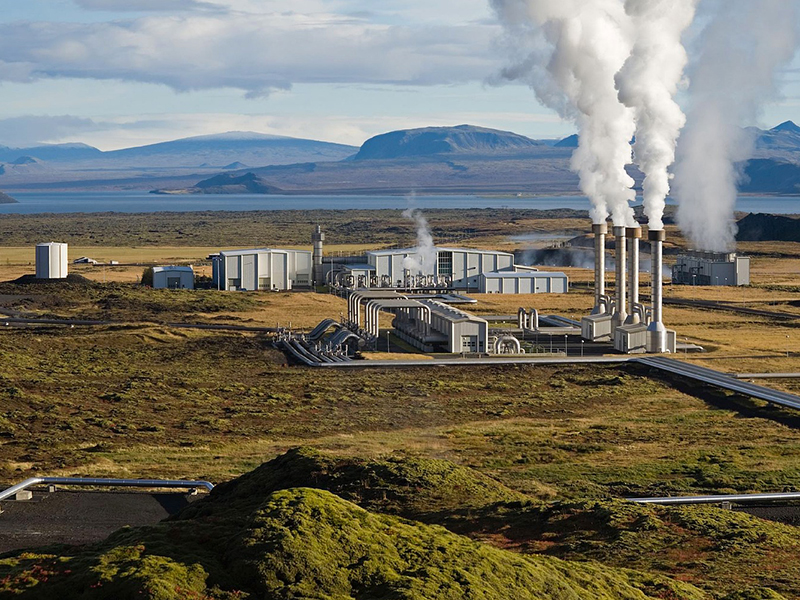
In several regions of Germany, including the Upper Rhine Graben, the North German Basin, and the Upper Swabian Molasse Basin, relevant amounts of lithium of up to 250 milligrams per liter have been measured in deep waters. This resource offers the opportunity to extract lithium locally and sustainably in order to become less dependent on imports. Geothermal power plants are ideal for directly integrating lithium extraction. They continuously extract large quantities of thermal water from deep underground.
State of the art
There is currently no industrially established process for extracting lithium from deep waters, but various processes using absorber materials, ion exchangers, and membranes are competing for dominance. Most processes require long dwell times, often produce undesirable radioactive by-products, or struggle with the complex composition of deep waters containing dissolved gases and various ions. In addition, additional energy sources and adjusted pressure values are required, which means that continuous process control in the power plant poses particular challenges.
Technology
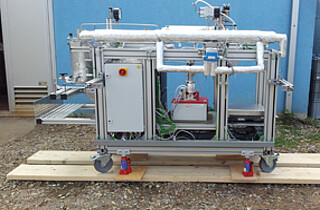
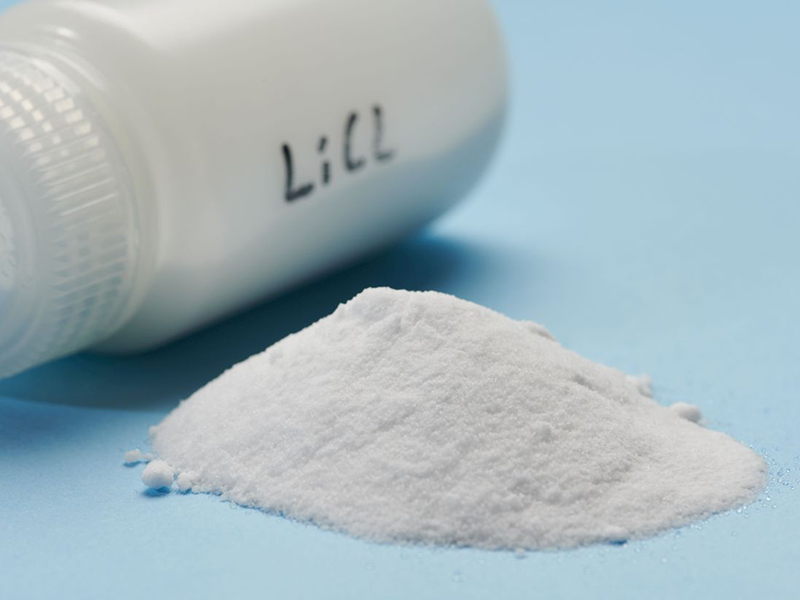
Researchers at KIT have developed a membrane-based process that is connected downstream of the geothermal cycle and thus integrates seamlessly. The process uses the cooled thermal water (70-75 degrees Celsius) after heat extraction and operates at the existing system pressure (20-22 bar). The technology comprises two coupled plant components. First, disruptive multivalent ions such as calcium or magnesium are separated from the thermal water in wound membranes using nanofiltration. In the second step, the filtered water is concentrated using residual heat through membrane distillation: water vapor diffuses through a hydrophobic, microporous membrane, leaving behind a highly concentrated solution of lithium chloride that can be further processed into solid lithium hydroxide or lithium carbonate. Finally, the separated water is reinjected into the ground together with the concentrate that was initially separated.
Advantages
The extraction process is compatible with existing processes in geothermal power plants without affecting their energy production. It does not require any additional pressure generators or heaters. With several modules connected in parallel in a serial configuration, high volume flows of up to 70 liters per second and more can be achieved.
Options for companies
Laboratory tests at KIT confirm the technical feasibility, but transfer to real-world operation in geothermal power plants with access to lithium-containing thermal water is still pending. KIT is looking for partners from the geothermal and plant engineering industries for piloting under real conditions and scaling.
Images close open
Your contact person for this offer

Innovation Manager Climate and Environment Karlsruhe Institute of Technology (KIT)
Innovation and Relations Management (IRM) Phone: +49 721 608-25988
Email: markus.bauer2@kit.edu